Price Match Promise
 69,000+ Reviews | 4.8 TrustScore
  Nationwide Next or Named-day Delivery
 Worktop Customisation Service
How to Select the Best Worktop Oil for Your Wooden Surfaces
There are several ways to treat wooden worktops, but for a low-lustre finish we recommend choosing worktop oil over lacquers or varnishes.
Not all types of worktop oil – of which there are many – are appropriate for wooden kitchen worktops, however, as they may not be food-safe or offer a long-lasting finish that seals the timber effectively.
Here are some of the types of oil often recommended for the treatment of timber products:
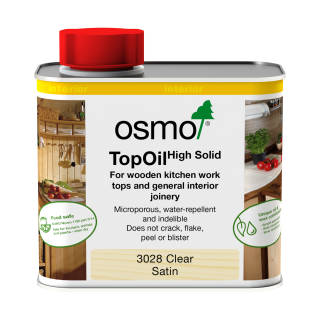
Osmo Top Oil
Osmo Top Oil is the only treatment recommended by Worktop Express as it has superior coverage compared to traditional Danish oils and the food-safe formula features a breathable, micro-porous finish that resists cracking, peeling, or flaking.
Please visit our worktop oil page to see our Osmo Top Oil options - we offer a variety of finishes to suit all preferences.

| Pros | Cons |
|
|
Olive Oil
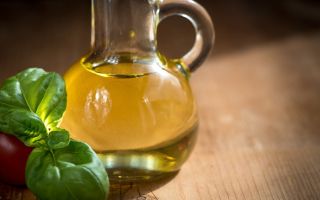
Olive oil is often suggested for treating wooden chopping boards and whilst it helps to accentuate the colour of the timber, it is not a suitable protective treatment for wooden worktops.
Olive oil stays 'wet' for an indefinite period and can promote bacterial growth. If used to treat wooden worktops, you will often find that the oil makes the surface sticky over time, which can cause difficulty if you wish to sand down the timber and re-treat with a more suitable alternative.
| Pros | Cons |
|
|
Linseed or Tung Oil
Pure linseed oil or tung oil is better suited for treating hardwood worktops as they penetrate timber more effectively than other natural oils. Though it may take a long time, these rub-in oils will naturally dry or cure on their own.
These oils provide the base for many popular worktop oils, but with the addition of extra salts and added chemicals to help the curing process.

| Pros | Cons |
|
|
Teak Oil
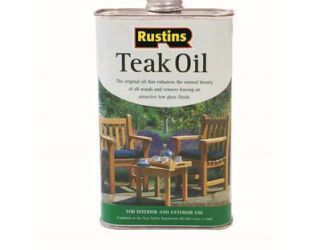
Despite its name, teak oil does not contain any oil or by-product of the teak tree, Tectona grandis; many products are referred to as 'teak oil' because they are marketed for use on teak and other similar timbers.
The composition of teak oil will vary, but it is usually based upon a mixture of linseed oil, varnish, and mineral spirits (sometimes a small amount of pure tung oil is also included in the mix).
Many types of teak oil provide a protective barrier for timber products but will often create a glossy sheen that does not always accentuate the beauty of hardwood timber.
| Pros | Cons |
|
|
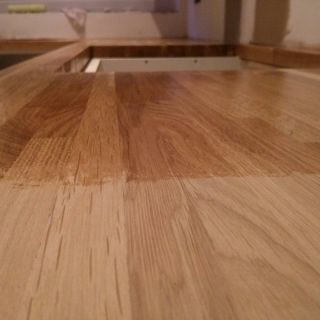
To give your wooden worktops the best possible finish, we recommend using Osmo Top Oil for all worktop oiling and aftercare. We advise that you apply two to three coats on both the top and bottom faces of the worktop as well as three coats on any exposed end grains. To ensure that each coat of oil is fully absorbed into the timber, you should leave 8-10 hours between each coat.